

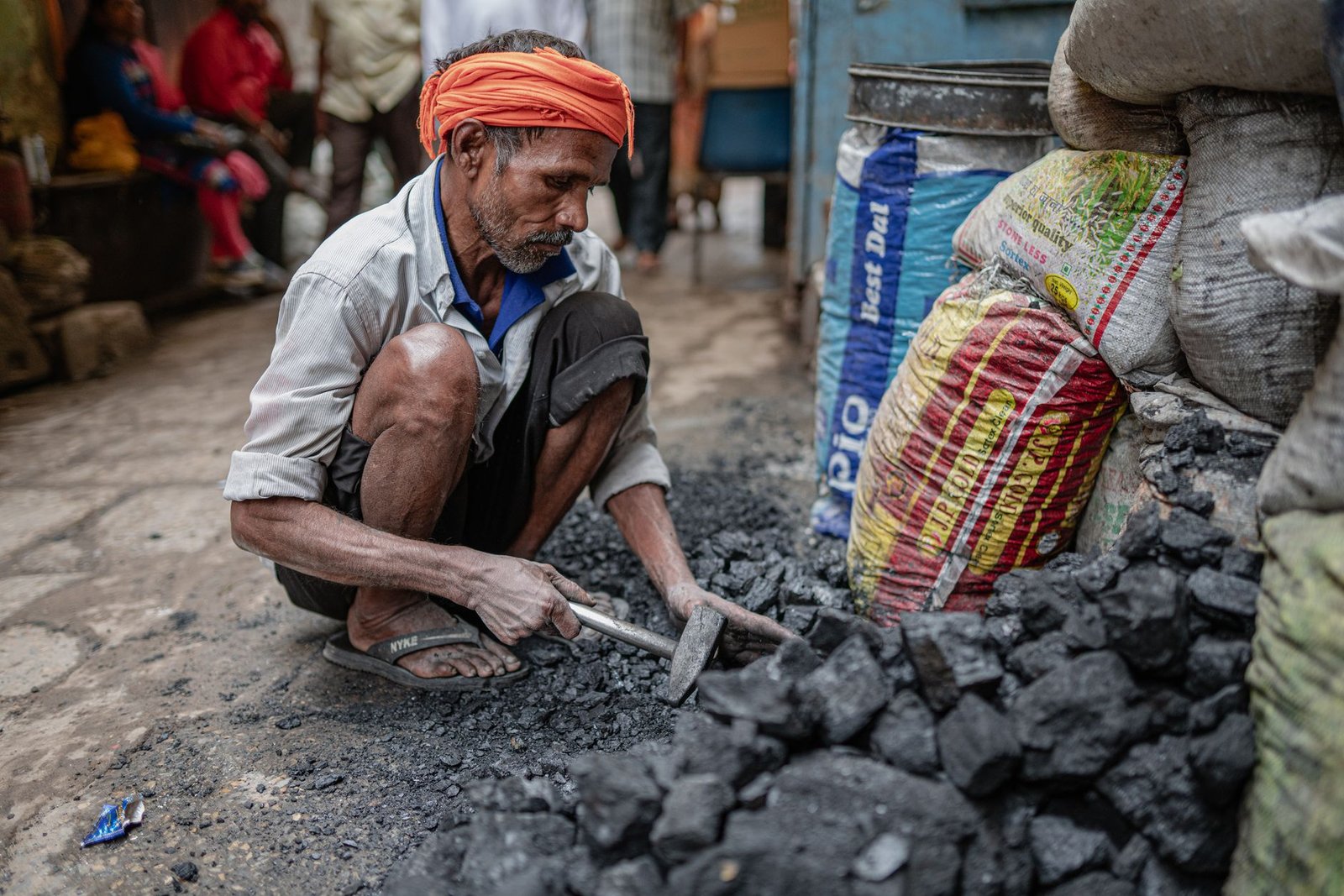
unpaid work in India is a significant issue, with 24% of individuals spending over 16 hours each week working without compensation. This statistic sheds light on the societal dynamics of labor and value.
Understanding unpaid work in India
Unpaid work in India represents a significant yet often overlooked aspect of the labor force. A recent report highlights that approximately 24% of individuals in the country dedicate more than 16 hours each week to unpaid tasks, primarily in households. This phenomenon reflects deep-rooted societal norms and economic structures that undervalue essential contributions made by millions.
The burden of unpaid work disproportionately falls on women, who account for the majority of this labor. Many engage in activities such as:
- Household chores
- Childcare
- Care for elderly family members
- Community service
These responsibilities not only consume valuable time but also limit opportunities for personal and professional advancement. The lack of recognition for unpaid work in India perpetuates gender inequalities and hinders economic growth.
Understanding the scope and impact of unpaid work is crucial for developing policies that promote equitable labor practices and recognize contributions beyond formal employment.
The impact of unpaid work in India
The impact of unpaid work in India is profound and far-reaching, affecting both individuals and the economy. A significant portion of the population, particularly women, is engaged in unpaid labor, which often goes unrecognized and undervalued. This hidden cost of labor contributes to various social and economic issues.
Some key effects include:
- Economic Disparity: With a large segment of the workforce engaged in unpaid work, productivity levels are severely impacted, hindering economic growth.
- Gender Inequality: Women disproportionately bear the burden of unpaid work, which limits their opportunities for education and employment.
- Health Consequences: The pressures of balancing unpaid work with other responsibilities can lead to physical and mental health issues.
- Social Isolation: Individuals engaged in unpaid work may experience isolation due to their commitments, affecting their social life and well-being.
Addressing the issue of unpaid work in India is crucial for fostering equality and promoting sustainable economic development. Recognizing and valuing this labor is a necessary step towards a more equitable society.
Why unpaid work in India matters
Unpaid work in India is a critical issue that often goes unnoticed, yet it significantly affects the economy and societal structure. The disproportionate burden of unpaid labor falls on women, who contribute nearly 80% of this work. This reality not only restricts their participation in the formal workforce but also reinforces gender inequalities.
Understanding why unpaid work in India matters involves recognizing its extensive implications:
- Economic Impact: The lack of recognition for unpaid work undervalues its contribution to the economy, resulting in lost productivity and economic growth.
- Social Dynamics: The expectation that women will shoulder the majority of unpaid tasks leads to a cycle of dependency and limits their opportunities for education and career advancement.
- Policy Considerations: Without addressing unpaid work, policies aimed at economic development may be ineffective, as they disregard the foundational role that this labor plays in sustaining families and communities.
By bringing attention to unpaid work in India, we can advocate for a more equitable recognition of labor contributions and drive meaningful change in societal norms and economic policies.
Statistics on unpaid work in India
Recent statistics reveal a staggering reality about unpaid work in India. A significant 24% of the population dedicates over 16 hours a week to tasks that are not compensated. This extensive commitment to unpaid work in India reflects not just individual choices but also broader societal norms and economic structures.
Data indicates that women bear the brunt of this hidden labor. In fact, women perform nearly three times the amount of unpaid work compared to men, emphasizing the gender disparities that persist in the workforce. The types of unpaid work include household chores, caregiving, and community services, which often go unrecognized and unvalued in traditional economic assessments.
Additionally, according to a report by the International Labour Organization, unpaid work contributes an estimated 3.1% to India’s GDP, highlighting its importance despite being overlooked. As the nation grapples with economic challenges, recognizing and addressing unpaid work in India is crucial for fostering a more equitable society and ensuring that all labor is valued and accounted for.
Addressing unpaid work in India
Addressing unpaid work in India requires a multi-faceted approach that involves policy changes, societal awareness, and economic incentives. The recognition of unpaid work in India is crucial for achieving gender equality and enhancing economic productivity.
Government initiatives could play a significant role in this endeavor. Some potential steps include:
- Implementing policies: Policies that support work-life balance, such as flexible working hours and parental leave, can help redistribute unpaid tasks.
- Raising awareness: Educational campaigns can inform the public about the value of unpaid work in India, highlighting its contribution to the economy and society.
- Encouraging male participation: Engaging men in household tasks and caregiving responsibilities can promote a more equitable division of labor.
- Economic incentives: Providing financial support or subsidies to families that equally share unpaid labor could encourage a shift in traditional roles.
By taking these steps, India can begin to address the hidden costs of unpaid work, fostering a more balanced and equitable society.
Future of unpaid work in India
The future of unpaid work in India presents a complex challenge as socio-economic dynamics evolve. With an increasing number of women participating in the workforce, the burden of unpaid work remains disproportionately high. Government initiatives and policies can play a crucial role in addressing this imbalance.
As awareness grows regarding the importance of recognizing unpaid work in India, various organizations and advocacy groups are urging for a systemic change. They emphasize the need to:
- Incorporate unpaid work into national statistics to better understand its impact on the economy.
- Encourage shared responsibilities within households to alleviate the burden on women.
- Promote policies that provide support services, such as childcare, to help balance work and unpaid responsibilities.
- Foster dialogue around the value of unpaid labor, highlighting its significance in sustaining communities.
As India moves forward, addressing unpaid work will not only enhance gender equality but also unlock economic potential, ultimately benefiting society as a whole.
Photo by Mahmut Yılmaz on Pexels
Sources
Related reading
- Critical Patent Application Mistakes That Cost Inventors Everything
- The Role of Crypto Exchanges in the Future of Fan Fiction Economies
- How to Manage Your Health on the Everest Base Camp Trek: 7 Crucial Steps